
How to Quickly Select Motorized Roller Conveyor Manufacturers?
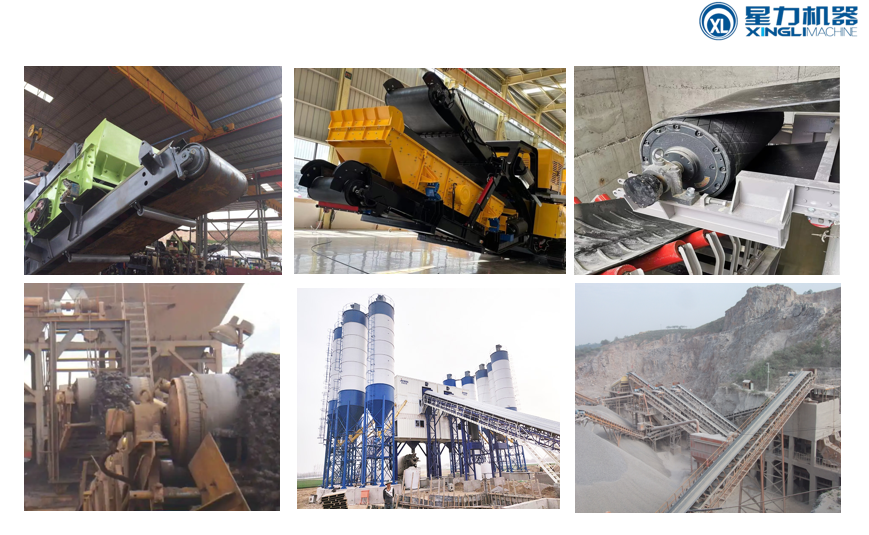
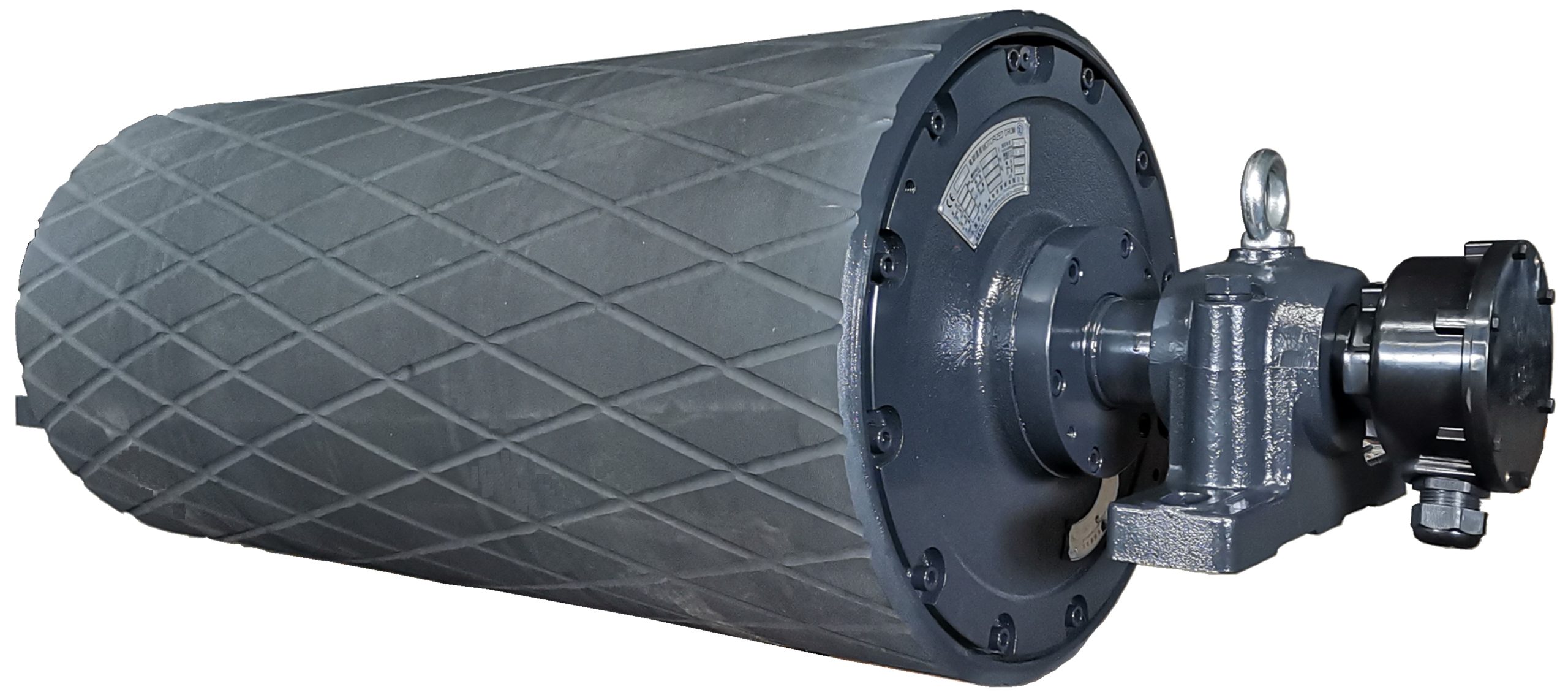
As one of the motorized roller conveyor manufacturers, XINGLI Machine produces and exports Conveyor Rollers, Motorized Pulley And Customized Conveyors, etc. Among them, Idlers, Motorized Conveyor Belt and Belt conveyor pulley have been selling well.
When it comes to selecting Motorized Roller Conveyor Manufacturers quickly, there are a few steps you can take to streamline the process. Follow these guidelines:

1. Define your requirements
Begin by clearly outlining your specific needs and requirements for the motorized roller conveyor. Consider factors such as conveyor length, load capacity, speed, power supply, control system, and any other specific features you require.
2. Research and gather information
Utilize online resources, industry directories, and search engines to identify a list of potential Motorized Roller Conveyor Manufacturers. Focus on those that have a good reputation, positive customer reviews, and experience in supplying similar products.
3. Evaluate credentials and certifications
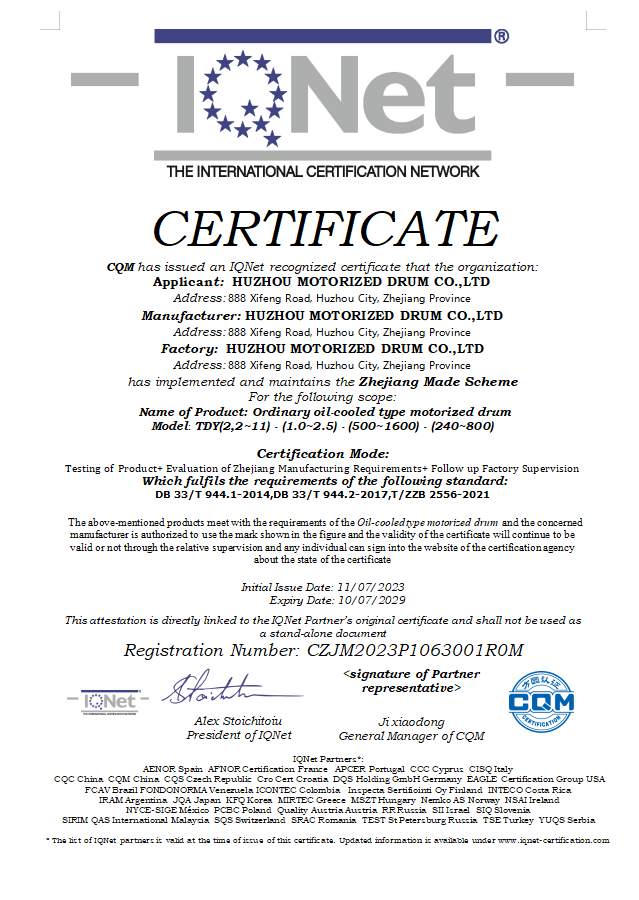
Look for manufacturers that have relevant certifications, such as ISO 9001, ensuring they adhere to quality standards. Evaluate their experience, expertise, and track record in the industry.
4. Contact manufacturers directly
Reach out to the shortlisted manufacturers to inquire about their products, capabilities, and availability. Provide them with your requirements and ask for catalogs, brochures, or any additional information they can provide.
5. Assess product quality and customization options
Evaluate the quality and durability of the motorized roller conveyors by requesting samples or arranging visits to their facilities. Ensure their products can be customized to your specific needs.
6. Consider pricing and lead times
Request detailed quotations from the Motorized Roller Conveyor Manufacturers, including pricing, lead times, warranty, and any additional costs such as shipping or installation. Evaluate the quotes to find the most cost-effective option that meets your requirements.
7. Check customer references
Ask the shortlisted manufacturers for references from their previous or current customers. Contact those references to gather feedback on their experience working with the manufacturer, the quality of their products, and their adherence to deadlines.
8. After-sales support and service
Inquire about the manufacturers’ after-sales support, warranty, spare parts availability, and technical assistance to ensure a smooth operation and minimize downtime.
9. Make an informed decision
Once you have gathered all the necessary information and compare your options, make an informed decision based on your evaluations, including product quality, customization capability, pricing, reputation, and customer feedback.
By following these steps, you can efficiently select a trustworthy and reliable motorized roller conveyor manufacturer that meets your specific requirements.
If you have selected a trustworthy and reliable roller conveyor manufacturer based on the above, then the next step is to choose the right product for you. Next, we will elaborate on the selection of Idler Conveyor Roller for you:
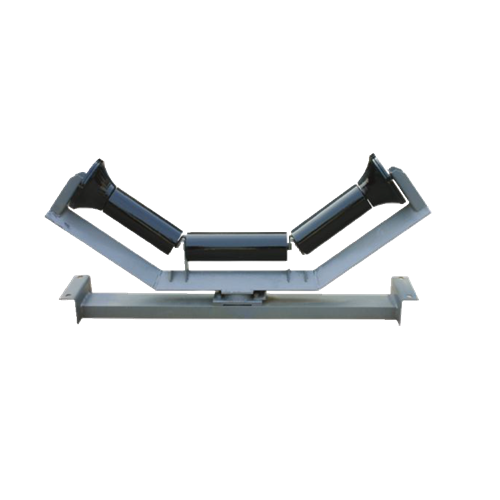
When choosing an Idler Conveyor Roller, there are several important factors to consider:
1. Load capacity
Determine the maximum weight that the conveyor roller needs to support. This will help you select a roller with the appropriate load capacity to ensure optimal performance and avoid damage or premature wear.
2. Diameter
The diameter of the roller affects its durability and the amount of friction it creates with the conveyor belt. Smaller diameter rollers are generally more economical but may not be suitable for heavy-duty applications. Larger-diameter rollers offer better belt support and reduce the risk of material spillage.
3. Material construction
Conveyor rollers are typically made from various materials such as steel, stainless steel, or plastic. Steel rollers are strong and durable, suitable for heavy loads and harsh environments. Stainless steel rollers are corrosion-resistant and ideal for food processing or corrosive environments. Plastic rollers are lightweight and cost-effective but have lower load capacities.
4. Bearing type
The type of bearing used in the roller can greatly influence its performance and lifespan. Common bearing options include precision ball bearings, tapered roller bearings, and sealed roller bearings. The selection depends on factors such as load capacity, speed, and environmental conditions.
5. Shaft options
Consider the type of shaft used in the Idler Conveyor Roller, such as round, hexagonal, or square. The shaft should be compatible with your conveyor system and allow for easy installation and maintenance.
6. Roller configuration
Decide whether you need straight rollers or tapered rollers. Straight rollers are standard and suitrs are often used to facilitate the smooth tracking of belts or when transitioning materials from one slope to another.
7. Additional features
Some idler conveyor rollers offer additional features, such as impact-resistant construction, self-cleaning capabilities, or low-noise operation. Consider if any of these features are necessary for your specific application.
It is crucial to consult with an expert or supplier to ensure you choose the right Idler Conveyor Roller that meets your specific requirements and provides long-lasting performance.