

Motorized Pulley Trouble Shootings
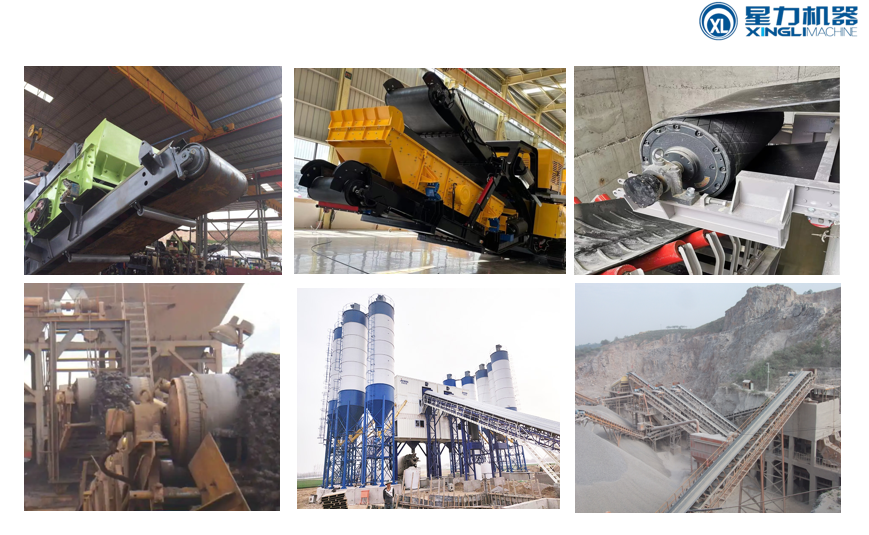
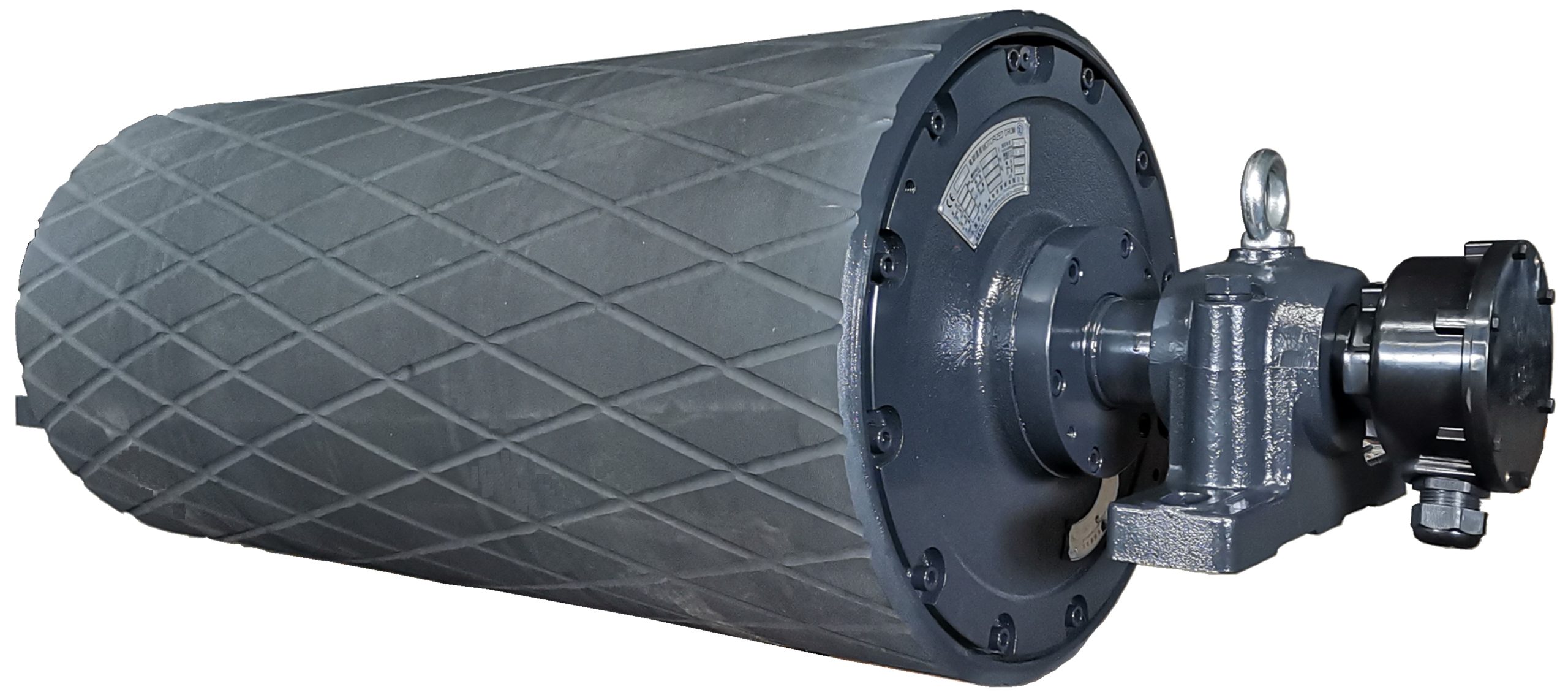
Motorized pulleys, also known as drum motors, are compact and efficient conveyor drive systems. It is widely used in applications like mining, smelting, cement, quarries, tunneling, power plants installation, ports, chemical fertilizer plant, salt and sugar plants, recycling plants, demolition, crushing and screening machinery, building materials industry, logistics centers, package distributors, mechanical engineering companies or the food industry, food factory, etc.
Here are some troubleshooting steps for motorized pulleys:
- No Power or Motor Failure:
- Check the power supply: Ensure that the motorized pulley is receiving power and that the power supply is functioning properly.
- Inspect the motor connections: Check the wiring connections between the motor and the power source. Tighten any loose connections or replace damaged wiring.
- Test the motor: If there is no power, test the motor using a multimeter to check for continuity and proper voltage. Replace the motor if it is faulty.
- Overheating:
- Verify the ambient temperature: Ensure that the operating environment is within the motor’s temperature limits. Excessive heat can cause the motor to overheat.
- Check for blocked ventilation: Inspect the motorized pulley for any obstructions that may be blocking the ventilation openings. Clear any blockages to allow proper cooling.
- Reduce the load: Overloading the motorized pulley can cause overheating. Ensure that the load on the conveyor is within the motor’s capacity.
- Check belt tensioning and pulley slippage phenomenon, and adjust the tension device.
- Check the oil level, keep the oil level in the pulley at the required level shown on the pulley end cover.
- Excessive Noise or Vibration:
- Check for misalignment: Inspect the motorized pulley for any misalignment with the conveyor system. Adjust the alignment as necessary to reduce noise and vibration.
- Verify the mounting: Ensure that the motorized pulley is securely mounted to the conveyor frame. Loose mounting can cause excessive vibration and noise.
- Inspect the bearings: Worn-out or damaged bearings can cause noise and vibration. Replace any faulty bearings in the motorized pulley.
- Check whether the frame is uneven, which will cause the vibration generated when the pulley is running to resonate with the vibration of the frame. Keep the equipment on the same level.
- Belt Slippage:
- Check belt tension: Ensure that the conveyor belt is properly tensioned. Adjust the tension according to the manufacturer’s guidelines to prevent belt slippage.
- Verify the condition of the belt: Inspect the conveyor belt for signs of wear, damage, or improper installation. Replace or repair the belt as necessary.
- Clean the pulley surface: Remove any dirt, debris, or material buildup from the motorized pulley’s surface that may cause belt slippage.
- Inconsistent Speed or Operation:
- Check the speed control settings: Ensure that the speed control mechanism is properly set and calibrated. Adjust the settings as needed to achieve the desired speed.
- Inspect the speed sensor: Check the speed sensor’s alignment and condition. Clean or replace the speed sensor if it is obstructed or damaged.
- Verify the motor controller: Test the motor controller for proper functionality. Replace the controller if it is faulty or not operating correctly.
- Oil leakage
o Check the oil level and remove excess oil.
o Check whether the air vent is blocked. Unclog the air vent.
o Check whether the sealing ring is badly worn or damaged. Replace the seal ring.
If the troubleshooting steps do not resolve the issues with the motorized pulley, please contact us at [email protected] for further discussion.