
Electric revolution is taking place in mining
According to scientists, the Earth’s temperature could rise by 1.5°C or even 2 °C above pre-industrial levels in the next few decades. We are already seeing the consequences of a 1°C increase of warming today: more extreme weather events such as flooding and droughts; increased Arctic snow melt elevating sea levels and threatening low-lying habitats; and rising ocean temperatures causing acidity and coral bleaching.
The United Nations’ Intergovernmental Panel on Climate Change (IPCC) has indicated that limiting the global temperature rise to just 1.5°C will require rapid, far-reaching, and unprecedented changes in all aspects of society. According to model projections from IPCC’s Special Report: Global Warming of 1.5°C, global anthropogenic (human-caused) CO2 emissions need to fall by 45 percent by 2030 and reach net zero by 2050.
The global shift to cut emissions is extremely urgent.
Tackling the world’s lurch toward environmental catastrophe is no easy task, and many of the world’s industrial leaders are relying on one another to spark investment and innovation in their respective sectors. The metals and mining industries currently produce a significant portion of the global carbon dioxide emissions; according to the World Steel Association, the steel sector alone produced 33.9Gt in 2020. This was around 10% of the total global energy-related emissions. Mining uses 3 % of the world’s electricity. Today, 40%-50 % of CO2 emissions in the mining industry come from diesel used in mobile equipment, with another 30 to 35 percent from nonrenewable electricity.
The electrification trend in the mining industry refers to the increasing adoption of electric-powered equipment and machinery in mining operations. This trend is driven by several factors, including the desire to reduce greenhouse gas emissions, improve operational efficiency, and lower operating costs. Here are some key points about the electrification trend in the mining industry:
- Environmental Benefits: Electrification helps reduce the carbon footprint of mining operations by replacing diesel-powered equipment with electric alternatives. Electric machinery produces zero on-site emissions, resulting in improved air quality and reduced impact on local ecosystems.
- Cost Savings: While the upfront costs of electric equipment may be higher, the operational costs can be significantly lower compared to diesel-powered machinery. Electric equipment generally requires less maintenance, has longer lifespans, and can benefit from lower electricity rates in some regions.
- Energy Efficiency: Electric equipment tends to be more energy-efficient than their diesel counterparts. Electric motors have higher energy conversion efficiency and can recover and store energy during braking or deceleration, reducing overall energy consumption.
- Noise Reduction: Electric equipment operates more quietly than diesel machinery, leading to a reduction in noise pollution. This can be particularly beneficial in mining operations located near residential areas or sensitive environments.
- Regulatory Drivers: Governments and regulatory bodies are increasingly implementing stricter environmental regulations and emissions standards. Electrification can help mining companies comply with these regulations and avoid penalties or restrictions on their operations.
- Technological Advancements: Advances in battery technology, such as the development of high-capacity lithium-ion batteries, have made it possible to power larger mining equipment with electricity. Additionally, improvements in charging infrastructure and battery management systems have increased the viability of electric equipment in remote mining locations.
- Industry Initiatives: Several mining companies and industry organizations have committed to reducing their carbon emissions and transitioning to cleaner energy sources. These initiatives often include plans for electrification and the use of renewable energy in mining operations.
It’s important to note that while the electrification trend is gaining momentum, the complete electrification of the mining industry may take time due to various challenges, such as the need for infrastructure upgrades, limitations in battery technology, and the specific requirements of certain mining operations. However, the industry is actively exploring and implementing electrification solutions to achieve a more sustainable and efficient future.
“It’s about more than just technology though,” says John O’Brien, Partner, Financial Advisory, Deloitte Australia. “Decarbonization makes sense operationally because the electrified mine is easier to automate, and the automated mine is easier to electrify.”
To ensure a livable and sustainable future for all of us. We need Deep, rapid, and sustained reductions in greenhouse emissions.
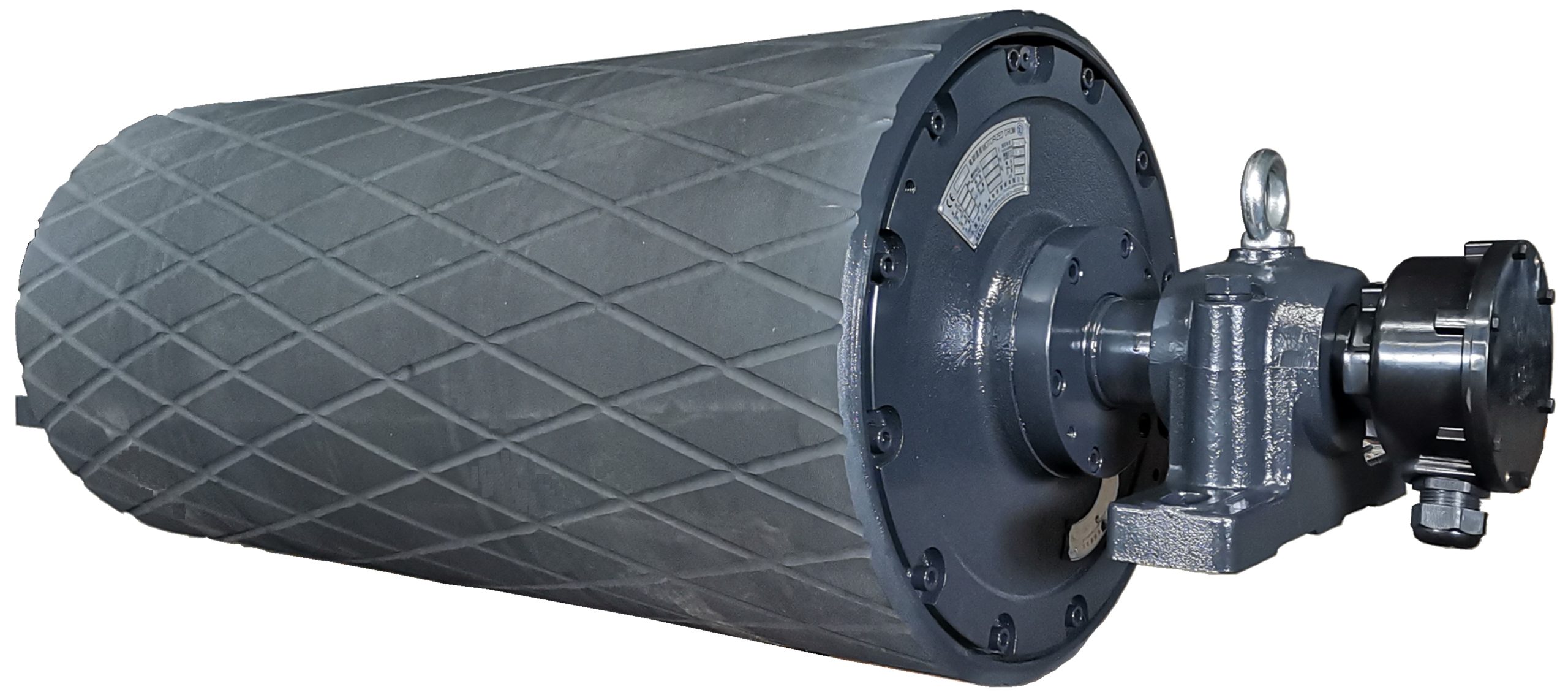
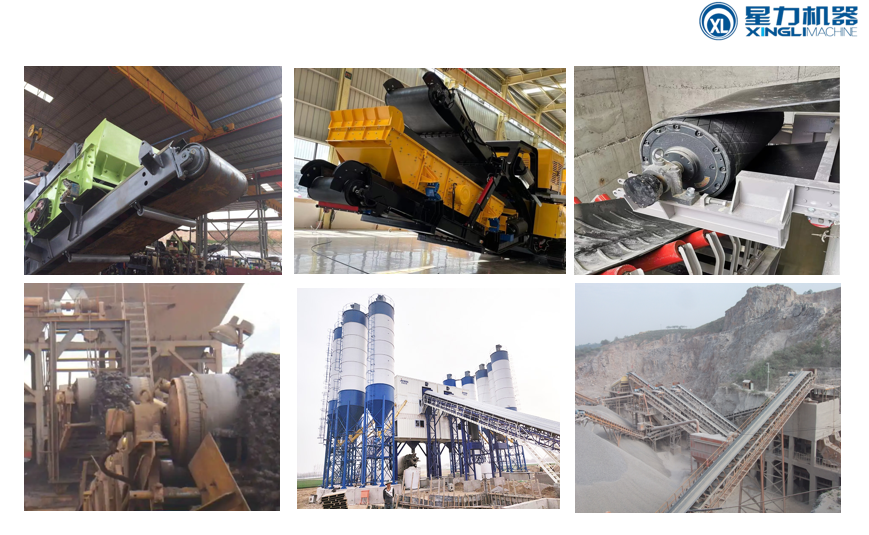
Mines around the world are moving to electrification at present. The electrified future of mining will come a lot sooner than some may expect. Motorized pulleys are coming into use in belt conveyors, crushers, and heading machines in the mine operating system. Besides energy-saving and reducing emissions, the other advantage of motorized pulleys in mining applications:
- Compact Design: Motorized pulleys have a compact and integrated design, saving space and reducing the risk of mechanical failures.
- Durability: They are designed to withstand the harsh conditions and heavy loads encountered in mining environments.
- Reliability: Motorized pulleys have fewer moving parts, reducing the risk of breakdowns and simplifying maintenance.
- Improved Safety: The enclosed design of motorized pulleys reduces the risk of accidents and injuries caused by exposed rotating components.
- Energy Efficiency: Motorized pulleys have high efficiency and can help optimize energy consumption in mining operations.
- Easy Installation: They are easy to install, requiring less time and labor compared to traditional drive systems.
Considerations for Motorized Pulleys in Mining:
Load Capacity: Ensure that the motorized pulley is selected based on the specific load requirements of the mining application.
- Environmental Conditions: Consider the environmental factors, such as temperature, humidity, and dust, and choose motorized pulleys designed to withstand those conditions.
- Maintenance: Follow the manufacturer’s recommended maintenance procedures to ensure optimal performance and longevity of the motorized pulleys.
- Safety: Implement proper safety measures, such as guarding and lockout/tagout procedures, to protect workers during maintenance and servicing.
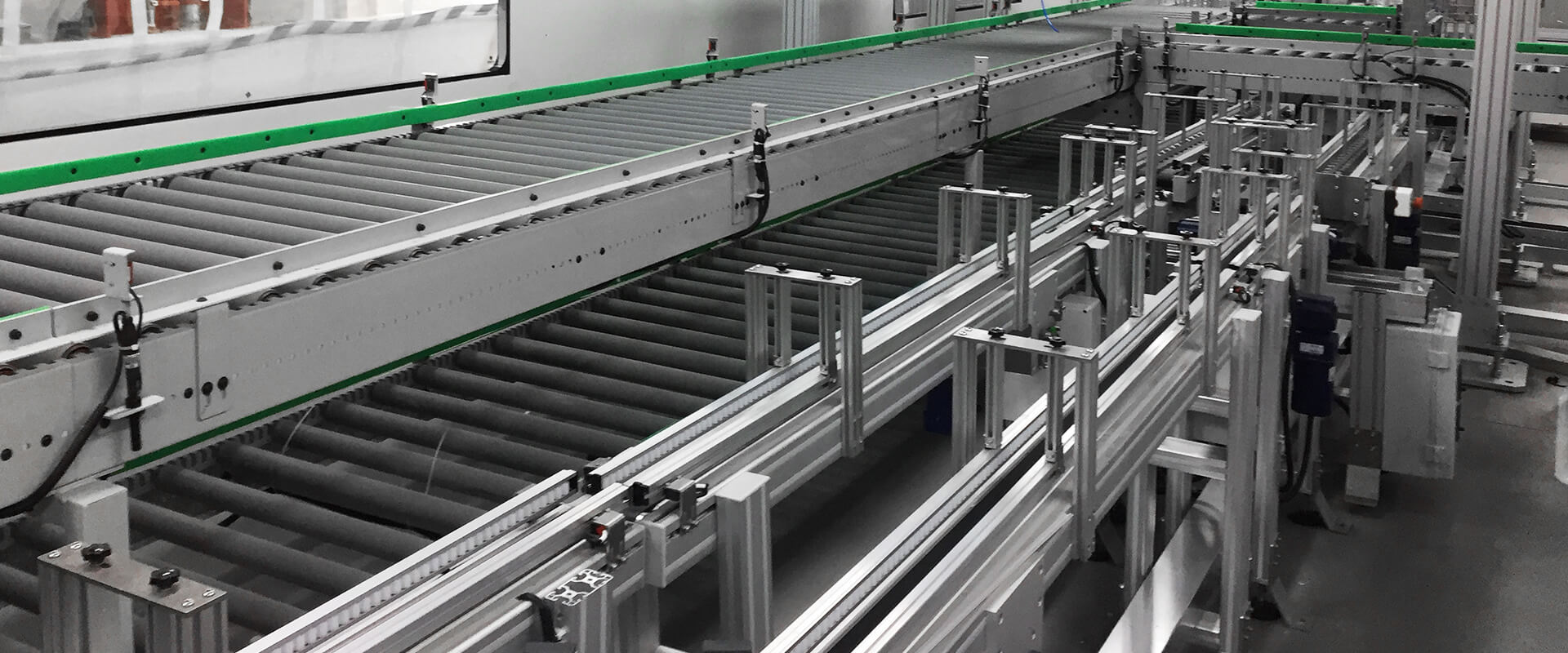
Electric roller use cases: